7 reasons why Bosch is at the forefront of the robotics revolution
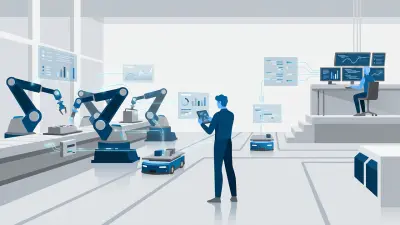
The robotics revolution is here, moving from the lab to the factory floor. As industries embrace advanced automation, a new question emerges: who builds the intelligence behind the machine? While many focus on the robots themselves, the true transformation is being driven by the underlying systems that give them awareness, precision, and power.
This is precisely where Bosch comes in. The company is not developing the next humanoid robot; instead, it supplies many of the key technologies that make modern robotics possible in the first place. Here are the key reasons why Bosch is at the forefront of the robotics revolution.
1. Powering the central nervous system of robotics
Modern factories require seamless integration. Bosch delivers this with ctrlX AUTOMATION, an open and modular platform that acts as the central nervous system for complex automation. This ecosystem allows customers to connect diverse systems — from driverless transport vehicles to high-precision robot arms — with unmatched flexibility. It’s a holistic approach that elevates entire production lines, not just individual machines.
2. Leveraging cross-domain expertise from automotive to robotics
Innovation doesn't happen in a silo. Bosch creates a powerful synergistic advantage by transferring decades of expertise from the automotive sector directly to robotics. The complex challenges solved in automated driving — like intelligent environmental perception and machine learning — are functionally identical to those in cognitive robotics. This unique cross-domain knowledge accelerates development and creates more robust, real-world solutions.

3. Training next-generation AI
Artificial intelligence is the engine of next-generation automation, and high-quality data is its fuel. Bosch possesses an unparalleled asset: a treasure trove of data from its global manufacturing network of over 230 plants. This unique dataset provides the raw material for developing, training, and refining the intelligent automation solutions of the future, creating a powerful competitive advantage in the field of AI-driven manufacturing.
4. Building an open ecosystem for innovation
Bosch accelerates development by combining targeted in-house innovation with an open ecosystem approach. The company founded Robert Bosch Robotics GmbH, a specialized unit to commercialize new robotics solutions, and collaborates with startups like Neura Robotics to develop cognitive robots. Furthermore, Bosch acts as a key manufacturing partner for robotics startups worldwide, helping them scale prototypes to production level.
5. Providing the physical power for modern robotics
Beyond intelligence and sensors, Bosch’s strength lies in the crucial components that give robots their physical power, speed, and precision. Through the Bosch Rexroth division, Bosch offers a comprehensive portfolio of high-precision electric motors, dynamic servo drives, and robust hardware.
6. Enabling a sense of touch with world-leading sensor technology
For a robot to interact safely with the world, it needs a sense of touch. Bosch is the global market leader in microelectromechanical systems (MEMS), the tiny, indispensable sensors that provide this tactile capability. These sensors allow a robot to handle objects with finesse, distinguishing between a robust water glass and a delicate stemmed glass. This technology is fundamental to the future of robotics, with the market for MEMS sensors projected to exceed $19.2 billion by 2030.
Bosch Sensortec in action
Snazzy tests Bosch sensors and MEMS. They give robots feelings — literally.

Loading the video requires your consent. If you agree by clicking on the Play icon, the video will load and data will be transmitted to Google as well as information will be accessed and stored by Google on your device. Google may be able to link these data or information with existing data.
7. Combining global reach with a commitment to regional innovation
Bosch’s strategy is both global and local. In China, Bosch is driving forward the development of Physical AI and the commercialization of robotics solutions for the crucial Asian market. Simultaneously, Bosch reinforces Europe’s standing as a technology powerhouse by deploying advanced automation in its plants. This not only enhances competitiveness but also addresses regional skilled labor shortages, strengthening the entire industrial landscape.
Conclusion
Bosch has strategically built a foundational role in the future of industrial robotics and automation systems. By focusing on the core technologies — from MEMS sensors and AI to the powerful components enabling physical motion — Bosch is the enabling force behind the smart, autonomous, and efficient factories of tomorrow. This strategic focus solidifies Bosch’s position as a major player in the next wave of industrial innovation.